
A 4-point inspection evaluates a Florida home’s major systems: roof, electrical, plumbing, and HVAC. A wind mitigation inspection examines features that reduce wind damage, such as roof-to-wall connections, roof shape, shutters, and storm protection. Homeowners may need one or both for insurance underwriting, documentation, or possible carrier-specific discounts.
What Does a 4-Point Inspection Evaluate?
A 4-point inspection focuses on the condition and approximate age of four major property systems:
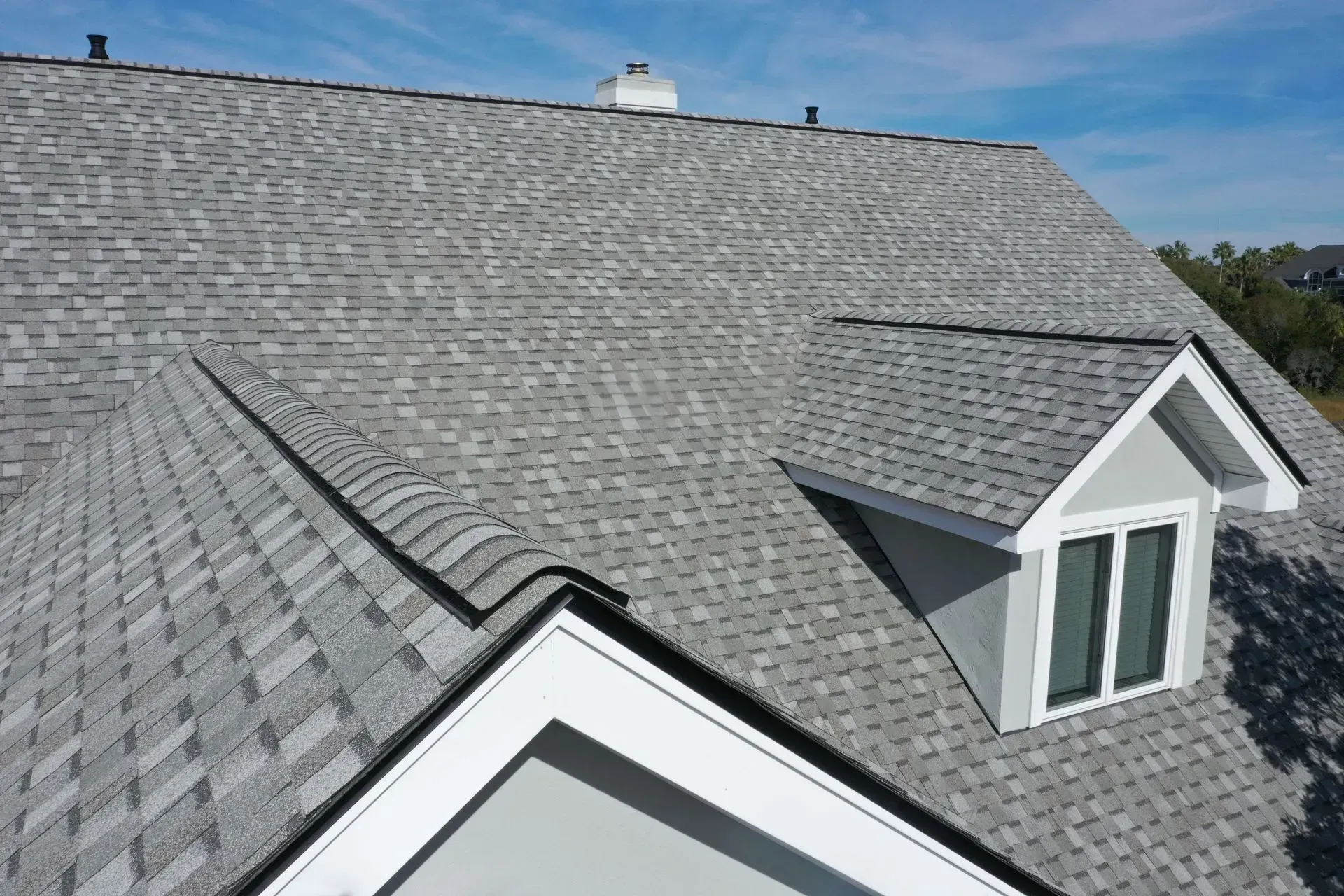
- Roof: Covering, visible damage, installation quality, remaining serviceability, and signs of leaks
- Electrical: Main panel, wiring, visible components, grounding, and potentially unsafe conditions
- Plumbing: Supply and drain piping, water heater, fixtures, leaks, and visible deficiencies
- HVAC: Heating and cooling equipment, installation, operation, and approximate age
The inspection gives an insurer a system-focused snapshot of the home. It is not the same as a comprehensive home inspection, which examines many additional components and is typically performed for a buyer’s overall understanding of the property.
Insurance carriers may request a 4-point inspection for older homes or properties with aging systems. Requirements differ by carrier, property characteristics, policy type, and underwriting guidelines. A 4-point report does not guarantee insurance approval or coverage.
Learn more about four-point inspections and insurance inspections before scheduling.
What Does a Wind Mitigation Inspection Evaluate?
A wind mitigation inspection looks for construction features designed to help a home resist wind forces during hurricanes and severe storms. Depending on the home and available documentation, the inspection may review:
- Roof shape and slope
- Roof covering and installation details
- Roof-deck attachment
- Roof-to-wall connections
- Wall-to-floor connections where applicable
- Secondary water resistance
- Exterior opening protection, including shutters, impact-rated windows, and doors
- The garage door and other vulnerable openings
The findings are documented on Florida’s applicable wind mitigation form or another carrier-accepted report. The report helps an insurance company evaluate qualifying wind-resistant features.
Potential premium credits or discounts vary by insurance carrier, policy, documentation, and the features verified. Not every home qualifies, and an inspection cannot promise a specific savings amount. See the wind mitigation inspection service page for more information.
What Is the Difference Between a 4-Point and Wind Mitigation Inspection?
The simplest distinction is condition versus construction features .
| Inspection | Primary focus | Common insurance purpose |
|---|---|---|
| 4-Point Inspection | Condition and age of roof, electrical, plumbing, and HVAC | Helps the insurance carrier assess major systems and property risk |
| Wind Mitigation Inspection | Hurricane-resistant construction and protective features | Documents qualifying wind-resistant features for potential insurance discounts |
A 4-point inspection may identify an older roof, outdated electrical components, plumbing concerns, or aging HVAC equipment. A wind mitigation inspection may identify a hip roof, reinforced connections, impact-rated openings, or approved shutters.
Neither inspection replaces the other. A home can have well-maintained major systems but limited wind mitigation features. It can also have strong storm-resistant construction while still needing updates to its electrical, plumbing, HVAC, or roof systems.
Do Florida Homeowners Need Both Inspections?
You may need both when an insurance carrier requests documentation about the home’s major systems and wind-resistance features. This is common when:
- The home is older or has older mechanical systems
- You are applying for a new policy
- You are changing insurance carriers
- The carrier requests updated inspection reports
- You want to document wind-resistant features for possible policy credits
- A buyer, lender, or insurance professional recommends both reports
Requirements vary. Ask your insurance agent which inspection forms and dates the carrier will accept before scheduling. If the carrier requests a 4-point inspection and a wind mitigation inspection, arranging them together can reduce scheduling work and provide a more complete set of property information.
Why Schedule Both Inspections Together?
Scheduling both services during one appointment can be practical for homeowners in Sarasota, Bradenton, Lakewood Ranch, and surrounding Southwest Florida communities.
One coordinated visit
A combined appointment may save time compared with arranging separate visits. The inspector can evaluate major systems and document visible wind-resistant features during the same property visit.
Fewer scheduling delays
When insurance documentation is time-sensitive, coordinating both inspections may help you gather the requested reports more efficiently. Confirm your carrier’s deadline and acceptance requirements first.
A broader understanding of the home
The reports answer different questions. One addresses the condition of key systems, while the other focuses on hurricane-related construction and protection. Together, they provide a more complete insurance-oriented overview.
Easier preparation
You can prepare the property once by gathering permits, roof records, wind certification documents, product approvals, and information about recent system replacements.
How Should You Prepare for These Inspections?
A little preparation can make the appointment more productive. Homeowners should:
- Confirm the requested reports. Ask the insurance agent which inspection type, form, and report age are acceptable.
- Gather documentation. Locate roof permits, replacement invoices, HVAC records, electrical updates, plumbing work, shutters, impact windows, and roof or storm-hardening documents.
- Provide access. Make sure the inspector can reach the electrical panel, water heater, HVAC equipment, attic access, garage, roof-access areas when appropriate, and exterior openings.
- Clear stored items. Remove clutter that blocks panels, mechanical equipment, attic openings, or visible plumbing components.
- Share known updates. Tell the inspector about renovations, replacements, storm repairs, or improvements, but understand that documentation may be needed to verify certain features.
Do not make last-minute alterations solely to influence a report. The inspection should accurately document the home’s existing conditions and visible features.
Are These Inspections the Same as a Home Inspection?
No. A 4-point inspection and wind mitigation inspection are narrower services generally used for insurance-related documentation. They are not substitutes for a full evaluation when buying or selling a home.
A comprehensive home inspection typically reviews the home’s structure, exterior, roof, interior, electrical, plumbing, HVAC, insulation, ventilation, and other accessible components. It is intended to help a buyer understand condition and maintenance needs, not to satisfy every insurance requirement.
If you are purchasing a property, consider a comprehensive home inspection in addition to any insurance inspection your carrier requests.
What Happens After the Inspection?
The inspector documents observations and prepares the applicable report. The homeowner or agent can then submit it to the insurance carrier or agent for review. The insurer, not the inspector, decides whether the home meets underwriting requirements, whether coverage is available, and whether any credit or discount applies.
If a report identifies concerns, ask the carrier what documentation or repairs are required. Depending on the issue, you may need a qualified contractor, licensed electrician, plumber, HVAC professional, or roofer. Keep invoices, permits, product approvals, and completion records for future underwriting requests.
For homes in coastal and inland Southwest Florida, it is especially useful to keep records organized after roof replacements, storm repairs, electrical upgrades, window replacements, or installation of hurricane shutters.
Frequently Asked Questions
Can a wind mitigation inspection lower my Florida insurance premium?
It may qualify a home for a carrier-specific wind mitigation credit or discount when qualifying features are documented. Savings are not guaranteed and vary by insurer, policy, construction features, and report acceptance.
How long is a 4-point inspection valid?
There is no single validity period for every insurer. Many carriers set their own rules based on the home’s age, systems, policy, and underwriting requirements. Ask your agent before ordering a report.
Should I get a 4-point inspection before buying a Florida home?
Ask your insurance agent whether one will be required and obtain a quote early. A buyer should also consider a comprehensive home inspection because a 4-point inspection is not designed to evaluate the entire property.
Can one inspection report replace the other?
Usually not. They document different information. Confirm the exact requirements with your insurance carrier or agent.
Key Takeaways for Florida Homeowners
A 4-point inspection reviews the roof, electrical, plumbing, and HVAC systems, while a wind mitigation inspection documents features that may help a home resist hurricane-force winds. Florida homeowners may need both for insurance underwriting or to document possible carrier-specific credits. Requirements and discounts vary, so confirm them with your insurance agent before scheduling. If you are in Sarasota, Bradenton, Lakewood Ranch, or another Southwest Florida community, Tropical Sun Home Inspection can help you arrange the inspection services your situation requires. Request service or contact the team to discuss your property and next steps.