Mold is one of those household problems that often goes unnoticed until it becomes a much larger issue. While visible mold growth is easy to recognize, many infestations begin behind walls, beneath flooring, inside attics, or within HVAC systems where they're difficult to detect.
In
Sarasota,
Bradenton,
Venice,
Lakewood Ranch, and throughout Southwest Florida, our warm, humid climate creates ideal conditions for mold growth. Mold can begin developing within 24 to 48 hours after a water intrusion if conditions are right.
Knowing the warning signs early can help protect your home, preserve indoor air quality, and prevent costly repairs. Here are ten common signs that mold may be growing in your home.
Why Mold Can Be Difficult to Detect
Many homeowners assume they'll immediately see mold if it's present. In reality, mold often grows in hidden areas, including:
- Behind drywall
- Under flooring
- Inside cabinets
- Around plumbing
- In crawl spaces
- In attics
- Inside HVAC systems
- Around windows and doors
By the time mold becomes visible, it may have already spread well beyond the surface.
1. A Persistent Musty Odor
One of the earliest and most common signs of mold is a lingering musty smell.
Many people describe it as:
- Damp
- Earthy
- Stale
- Similar to wet cardboard or old books
If you notice this odor in a particular room but can't identify the source, hidden mold may be present behind walls, beneath flooring, or inside the HVAC system.
Never ignore a persistent musty smell—even if you don't see mold.
2. Visible Black, Green, White, or Brown Spots
While mold is often associated with black spots, it can actually appear in many different colors depending on the species and the surface it's growing on.
Common areas include:
- Bathroom ceilings
- Shower grout
- Window sills
- Laundry rooms
- Around air vents
- Under sinks
- Garage walls
Keep in mind that what appears to be dirt or discoloration may actually be mold growth.
3. Water Stains on Walls or Ceilings
Water damage is one of the biggest contributors to mold growth.
Watch for:
- Yellow or brown ceiling stains
- Bubbling paint
- Soft drywall
- Discolored walls
- Water rings after roof leaks
Even if the leak has been repaired, moisture trapped inside building materials may still allow mold to grow.
4. Peeling Paint or Bubbling Drywall
Excess moisture often causes paint to peel, drywall to bubble, or wallpaper to separate from the wall.
These signs don't automatically mean mold is present, but they do indicate excess moisture—one of the key ingredients mold needs to grow.
If these symptoms appear alongside a musty odor or previous water damage, a professional inspection is recommended.
5. Allergy Symptoms That Improve When You Leave Home
Sometimes the first indication of mold isn't something you see—it's something you feel.
Some people notice symptoms that worsen while they're inside their home but improve after leaving for work, school, or vacation.
Possible symptoms include:
- Sneezing
- Runny nose
- Nasal congestion
- Itchy eyes
- Coughing
- Scratchy throat
- Increased allergy flare-ups
While many factors can affect indoor air quality, hidden mold is one possible contributor that shouldn't be overlooked.
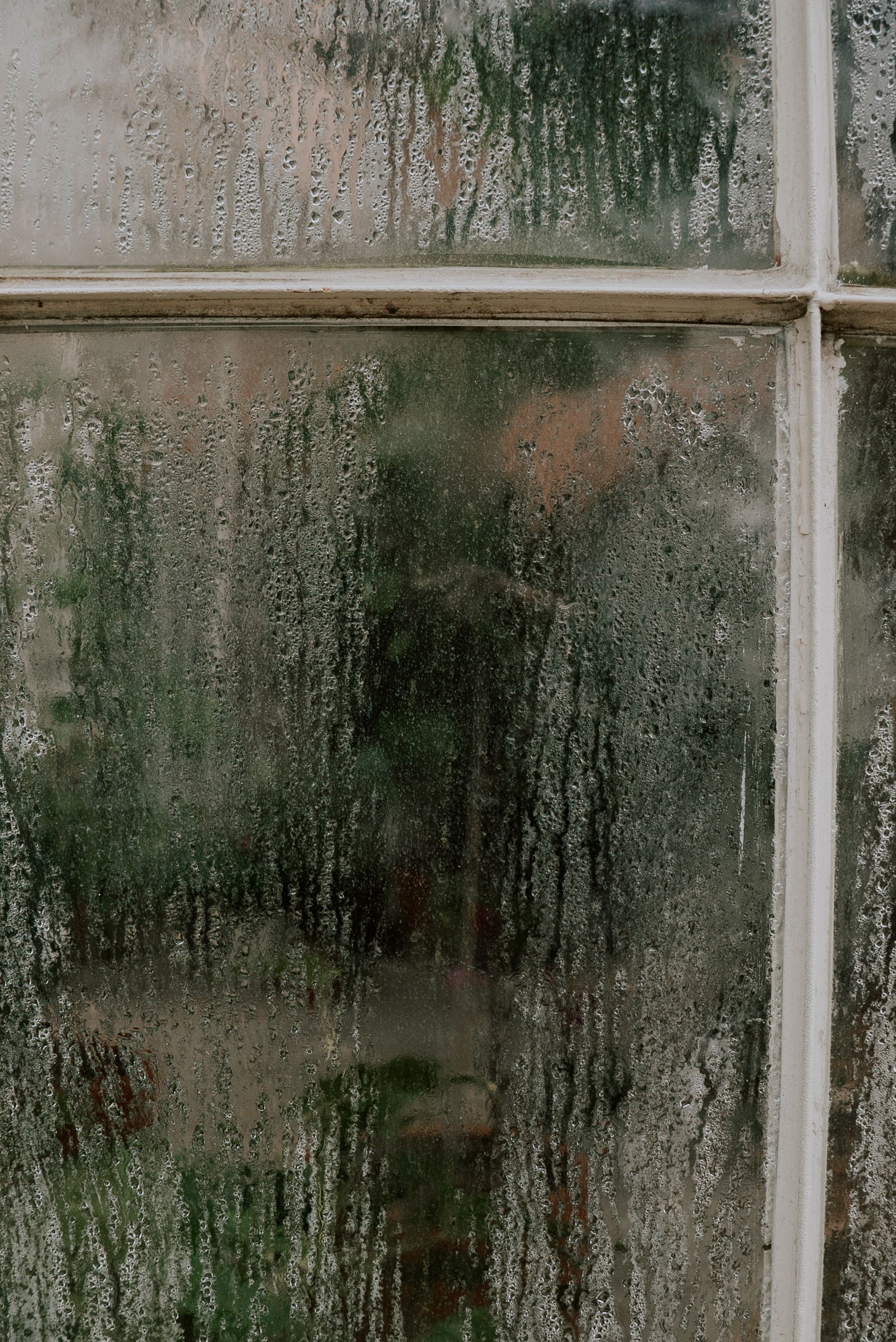
6. Condensation Around Windows
If your windows frequently collect moisture, especially during Florida's humid months, it may indicate your home's humidity level is too high.
High indoor humidity creates ideal conditions for mold growth on:
- Window frames
- Drywall
- Baseboards
- Curtains
- Furniture
- Closets
Maintaining indoor humidity between
30% and 50% can help discourage mold growth and improve indoor comfort.
7. Previous Water Damage
Has your home experienced:
- A roof leak?
- A plumbing leak?
- A burst pipe?
- Flooding?
- Water intrusion from a storm?
Even if repairs were completed, hidden moisture can remain trapped behind walls or beneath flooring if materials weren't thoroughly dried.
Homes with a history of water damage should be monitored carefully for signs of mold.
8. High Indoor Humidity
Homeowners throughout
Sarasota,
Manatee County, and
Charlotte County know that humidity is part of everyday life. While some moisture is expected, consistently high indoor humidity can create the perfect environment for mold growth.
Signs your home may have elevated humidity include:
- Sticky air
- Foggy windows
- Damp closets
- Musty smells
- Frequent mildew in bathrooms
Consistently high humidity gives mold the moisture it needs to spread.
9. Warped Floors or Soft Drywall
Building materials naturally absorb moisture over time.
Watch for:
- Buckling hardwood floors
- Warped laminate
- Soft drywall
- Sagging ceilings
- Loose trim
These problems may indicate hidden moisture that could support mold growth behind finished surfaces.
10. Mold Around Air Vents or HVAC Registers
Your HVAC system moves air throughout your home every day.
If mold develops inside ductwork or around vents, it can contribute to poor indoor air quality and spread spores throughout the house.
Look for:
- Dark discoloration around vents
- Musty smells when the AC runs
- Excess dust around registers
- Visible growth inside vents
Routine HVAC maintenance and moisture control can help reduce the risk of mold development.
How to Help Prevent Mold
While mold can't always be prevented, homeowners can significantly reduce the risk by following a few simple practices:
- Repair plumbing leaks promptly.
- Address roof leaks as soon as they're discovered.
- Use bathroom and kitchen exhaust fans.
- Keep indoor humidity between 30% and 50%.
- Ensure your air conditioning system is functioning properly.
- Dry wet materials as quickly as possible after water intrusion.
- Regularly inspect attics, crawl spaces, and areas beneath sinks for signs of moisture.
Preventive maintenance is often far less expensive than repairing damage caused by long-term moisture problems.
When Should You Schedule a Mold Inspection?
If you've noticed one or more of these warning signs, it's a good idea to have your home evaluated by a qualified professional.
A mold inspection can help identify hidden moisture issues, locate areas where mold may be growing, and provide valuable information to help you determine the next steps for your home.
Early detection can often prevent more extensive damage and help maintain a healthier indoor environment.
Frequently Asked Questions
Do Florida homes need mold inspections more often?
Florida's high humidity, heavy rainfall, and frequent storms can create ideal conditions for mold growth. Homeowners in Sarasota, Manatee, and Charlotte counties should pay close attention after roof leaks, plumbing issues, flooding, or prolonged periods of high humidity.
Can mold grow without a water leak?
Yes. High indoor humidity, poor ventilation, and condensation can provide enough moisture for mold to grow even without an active leak.
Is all mold visible?
No. Mold frequently grows behind walls, beneath flooring, inside attics, crawl spaces, and HVAC systems where it may not be visible.
What does mold smell like?
Many people describe mold as having a musty, earthy, damp, or stale odor. If a room consistently smells musty without an obvious source, hidden mold may be present.
How quickly can mold grow?
Under the right conditions, mold can begin growing within 24 to 48 hours after moisture is introduced.
Protect Your Home with Confidence
At Tropical Sun Home Inspection, we proudly provide professional mold inspections for homeowners throughout
Sarasota,
Bradenton,
Venice,
Lakewood Ranch,
North Port,
Englewood,
Parrish,
Palmetto, and the surrounding areas. We understand the unique moisture challenges Florida homes face and help identify potential mold concerns before they become larger issues.
Whether you've noticed a musty odor, experienced recent water damage, or simply want peace of mind, we're here to help you better understand the condition of your home.
Schedule your mold inspection with Tropical Sun Home Inspection today and take the first step toward a healthier home environment.