Most homeowners think of mold as an ugly stain on a wall or ceiling, but its impact can extend beyond cosmetic damage. Mold releases tiny spores into the air that can affect your home's indoor air quality. For some people, exposure to mold may contribute to allergy-like symptoms and respiratory irritation, especially when mold is allowed to grow unchecked.
In
Sarasota,
Bradenton,
Venice, Lakewood Ranch, and throughout Southwest Florida, our warm, humid climate creates ideal conditions for mold growth. Whether it's caused by a roof leak, plumbing issue, storm damage, or high indoor humidity, identifying mold early can help protect both your home and your indoor environment.
Let's take a closer look at how mold can affect your health, who may be most sensitive, and what steps you can take if you suspect mold is growing in your home.
What Is Mold?
Mold is a naturally occurring fungus found both indoors and outdoors. It reproduces by releasing microscopic spores that travel through the air. Outdoors, mold plays an important role in breaking down organic matter. Indoors, however, mold can become a problem when excess moisture allows it to grow on building materials, furniture, or other surfaces.
Common places mold may develop include:
- Behind drywall
- Under flooring
- Around windows
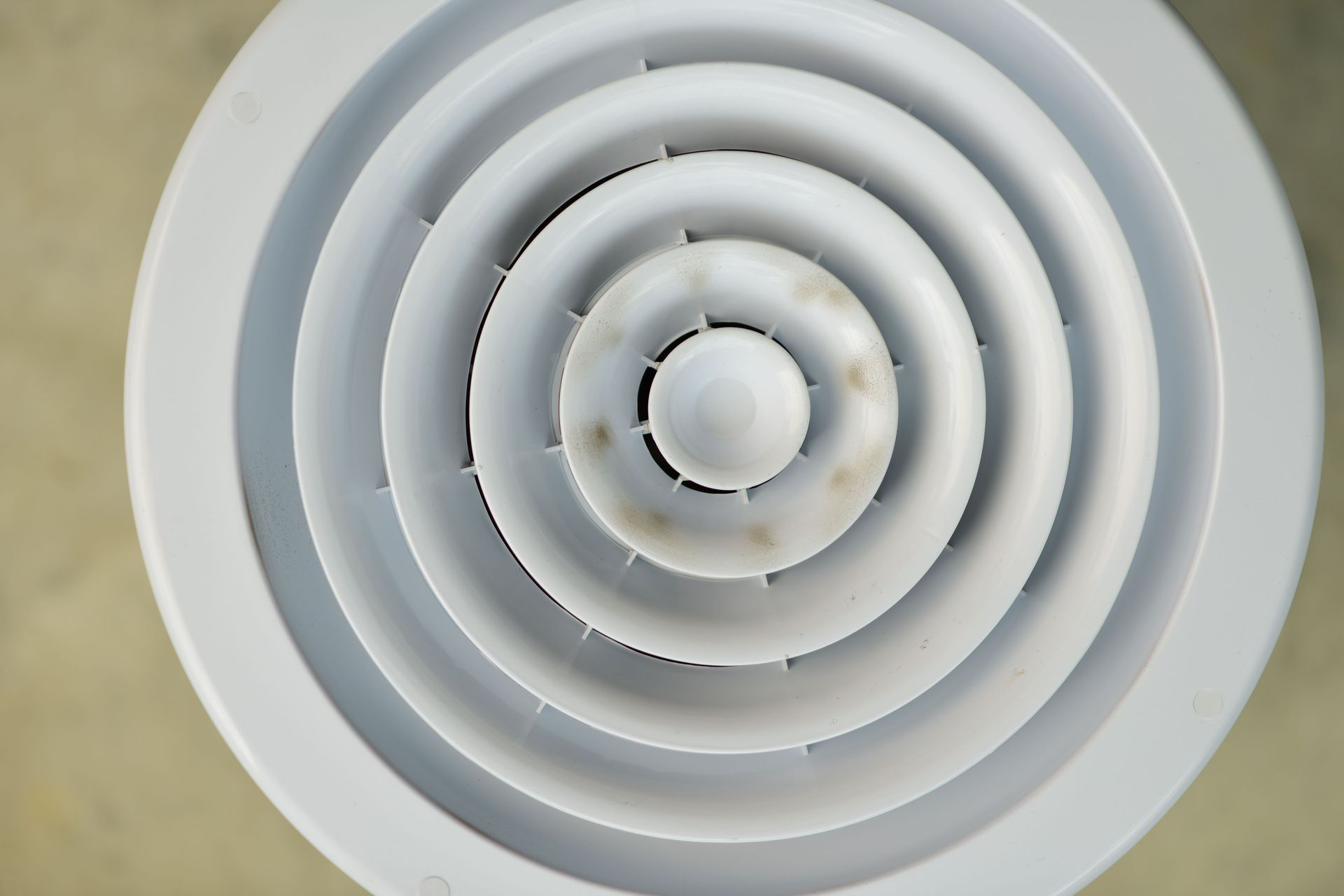
- Inside HVAC systems
- Under sinks
- In bathrooms
- Attics
- Crawl spaces
Because many of these areas are hidden from view, homeowners may not realize mold is present until it has spread.
How Mold Can Affect Indoor Air Quality
As mold grows, it releases spores into the air. These spores can circulate throughout your home, particularly if they're drawn into your heating and cooling system.
Poor indoor air quality can have many causes, including dust, pollen, pet dander, household chemicals, and mold spores. When mold is present, the number of airborne particles may increase, potentially contributing to discomfort for some occupants.
While not everyone reacts the same way, maintaining good indoor air quality is an important part of creating a healthy living environment.
Common Symptoms Associated with Mold Exposure
According to health authorities, some individuals may experience allergy-like or respiratory symptoms when exposed to mold.
These may include:
- Sneezing
- Runny or stuffy nose
- Itchy or watery eyes
- Coughing
- Wheezing
- Sore throat
- Skin irritation
- Headaches
- Fatigue
These symptoms can have many possible causes, and mold is only one potential factor. If symptoms are persistent or severe, consult a qualified healthcare provider.
Who Is Most Sensitive to Mold?
Not everyone responds to mold exposure in the same way. Some people may notice little or no reaction, while others may be more sensitive.
Individuals who may be more affected include:
- People with allergies
- Individuals with asthma
- Older adults
- Young children
- Those with weakened immune systems
For these groups, reducing exposure to mold and other indoor allergens can be especially important.
Signs Mold May Be Affecting Your Home
Often, homeowners don't discover mold because they see it—they discover it because they notice changes inside their home.
Watch for signs such as:
- A persistent musty odor
- Water stains on walls or ceilings
- Peeling paint
- High indoor humidity
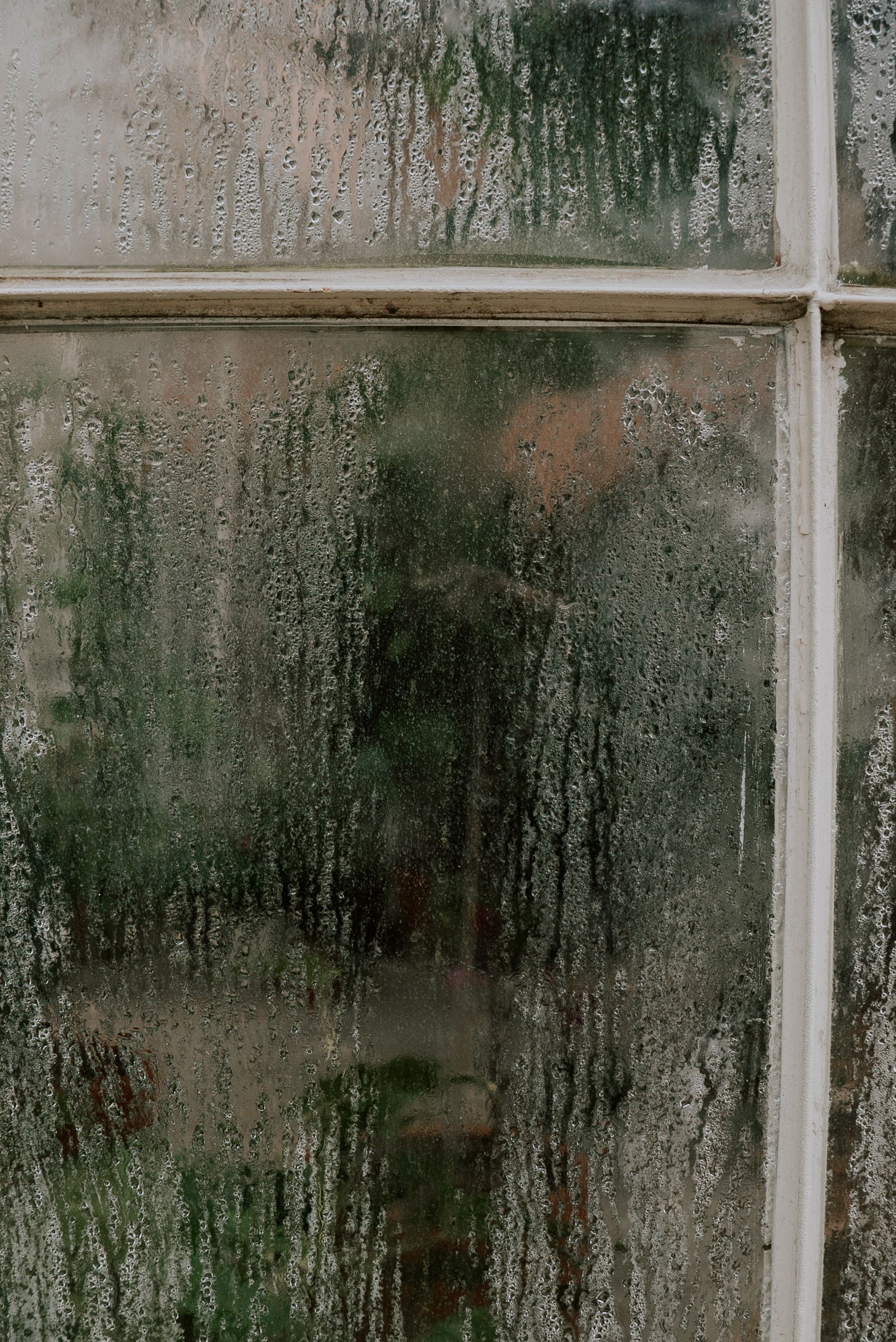
- Condensation on windows
- Visible mold growth
- Recent water damage
- Allergy-like symptoms that seem worse indoors
If you've noticed several of these warning signs, a professional mold inspection may help identify the source.
Where Hidden Mold Often Grows
One of the biggest challenges with mold is that it isn't always visible.
Hidden mold commonly develops:
- Behind bathroom walls
- Under sinks
- Beneath laminate or hardwood flooring
- Around HVAC equipment
- Inside air ducts
- Behind kitchen cabinets
- Inside attics after roof leaks
- In crawl spaces with elevated moisture
By the time mold becomes visible, it may have already spread well beyond the surface.
Why Florida Homes Face a Higher Risk
Living in Sarasota, Manatee County, and Charlotte County comes with many benefits—but it also means dealing with high humidity, heavy rains, and tropical storms.
Florida homes are particularly susceptible to:
- Roof leaks after storms
- Plumbing leaks
- Air conditioning condensation
- High indoor humidity
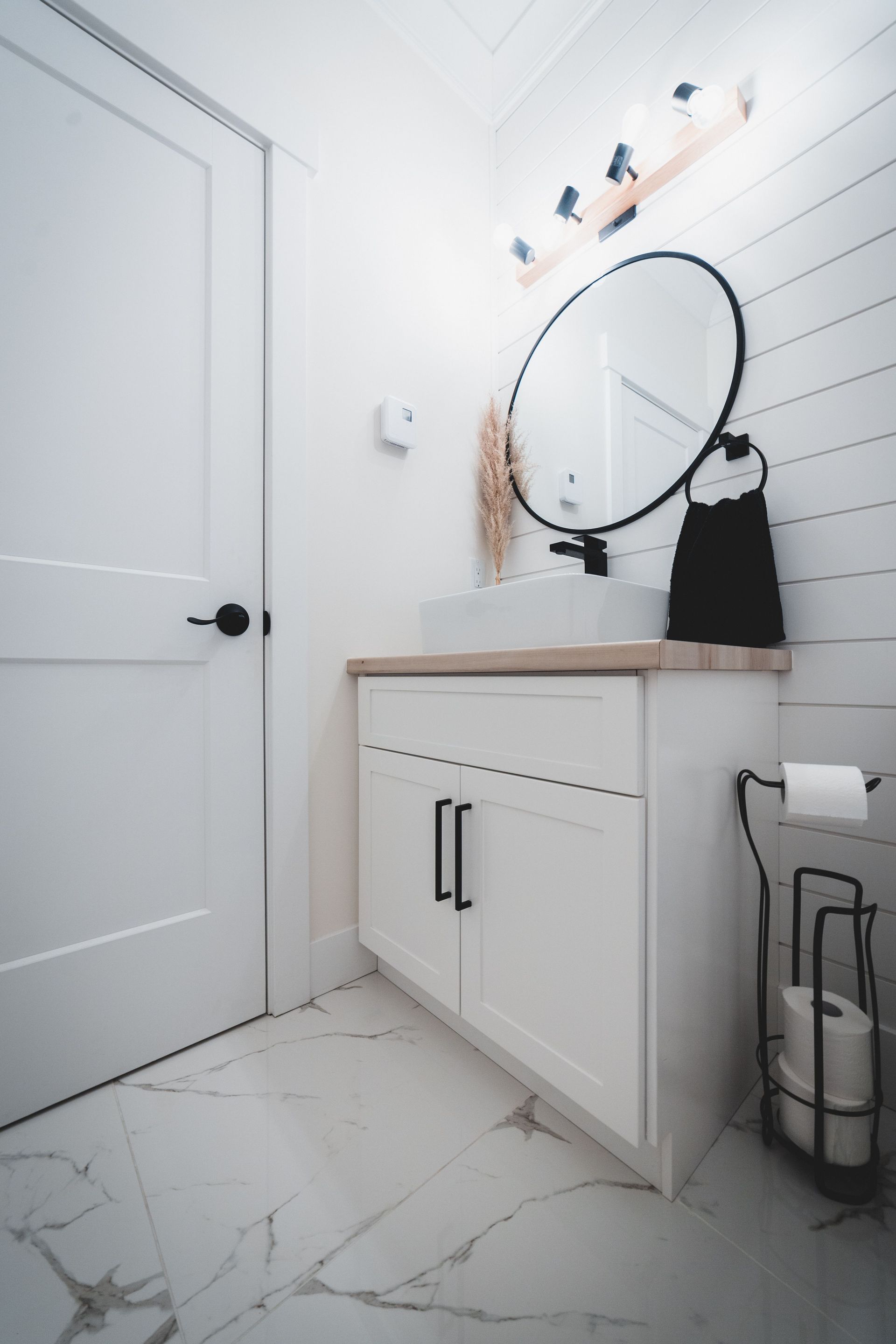
- Poorly ventilated bathrooms
- Crawl space moisture
Routine inspections and prompt repairs can help reduce the likelihood of mold developing after moisture problems occur.
How to Help Reduce Mold Growth
While no home is completely immune to mold, there are several ways to reduce the risk.
- Repair leaks promptly.
- Keep indoor humidity between 30% and 50%.
- Use bathroom and kitchen exhaust fans.
- Ensure your HVAC system is maintained regularly.
- Clean and dry wet materials as soon as possible after water intrusion.
- Improve ventilation in areas prone to moisture.
- Inspect your attic, crawl space, and plumbing areas periodically.
Preventing excess moisture is one of the most effective ways to discourage mold growth.
When Should You Schedule a Mold Inspection?
If you've experienced recent water damage, noticed a musty smell, or observed signs of excess moisture, it may be time to schedule a professional mold inspection.
Homeowners throughout
Sarasota, Bradenton, Venice, North Port, Lakewood Ranch, Englewood, Parrish, and Palmetto can benefit from an inspection after significant storms, plumbing leaks, or unexplained indoor air quality concerns.
A professional inspection can help identify areas of concern, locate hidden moisture, and provide valuable information about the condition of your home.
Frequently Asked Questions
Can mold make you sick?
Some people may experience allergy-like symptoms or respiratory irritation when exposed to mold spores. Others may not notice any symptoms at all. If you're experiencing ongoing health concerns, consult your healthcare provider.
Can mold grow behind walls?
Yes. Mold often develops behind drywall, beneath flooring, inside attics, crawl spaces, or around plumbing where moisture is present.
Does every mold problem have a musty smell?
Not always. While many mold issues produce a musty odor, some hidden growth may have little or no noticeable smell.
Is mold always visible?
No. Many mold problems remain hidden until they become extensive or moisture damage reveals them.
Protect Your Home and Indoor Environment
Mold is often a symptom of an underlying moisture problem. Identifying that moisture early can help prevent damage to your home and support better indoor air quality.
At Tropical Sun Home Inspection, we provide professional mold inspections for homeowners throughout
Sarasota, Bradenton, Venice, Lakewood Ranch, North Port,
Englewood, Parrish, Palmetto, and surrounding Southwest Florida communities. If you've noticed musty odors, water damage, elevated humidity, or other warning signs, we're here to help you better understand what's happening inside your home.
Contact Tropical Sun Home Inspection today to schedule your mold inspection and gain peace of mind about your home's condition.